יום ראשון, 21 ביולי 2024

Discover How Import and International Trade Shapes Our World Today

Discover How Import and International Trade Shapes Our World Today

Imagine a world where each nation is an isolated island, cut off from the vibrant exchange of goods, technology, and culture that we often take for granted. It’s a scenario few of us can truly fathom, as the interconnected web of import and international trade has become a fundamental cornerstone of our daily lives. The smartphone buzzing in your pocket, the exotic fruits in your morning smoothie, and even the car you drive, are all testaments to the complex dance of global commerce. Yet, have you ever paused to consider just how this intricate system shapes our existence and fuels the engine of progress?

Every time a product crosses a border, it carries with it not just tangible value but also a piece of cultural and economic influence. This blog post delves into the fascinating mechanics behind import and international trade, unraveling how these exchanges mold our world beyond mere economic figures. From the bustling ports of Shanghai to the sprawling markets of New York, the flow of goods transcends boundaries and unites us in ways both subtle and profound. Embark on this journey to uncover the myriad ways in which the global marketplace impacts our daily lives, drives innovation, and fosters interdependence among nations, proving that in the grand tapestry of human society, no thread exists in isolation.

The Historical Evolution of Import and International Trade

Import and international trade have a rich history that dates back thousands of years. From the ancient Silk Road to the maritime expeditions of European explorers, trade has played a pivotal role in shaping civilizations and connecting distant lands. The exchange of goods, ideas, and technologies has not only fueled economic growth but also fostered cultural exchange and understanding.

In ancient times, trade routes like the Silk Road facilitated the movement of goods between Asia, Europe, and Africa. This network of overland and maritime routes allowed for the exchange of silk, spices, precious metals, and other valuable commodities. It not only brought prosperity to merchants but also led to the spread of knowledge, religion, and art across different regions.

During the Age of Exploration in the 15th century, European nations embarked on voyages to discover new trade routes to Asia. These expeditions led to the establishment of colonies in far-flung lands and opened up new avenues for commerce. The discovery of America by Christopher Columbus paved the way for transatlantic trade between Europe, Africa, and the Americas.

In more recent history, advancements in transportation and communication technology have revolutionized import and international trade. The invention of steamships in the 19th century made long-distance travel faster and more efficient. The development of telegraphy enabled real-time communication between traders across continents.

Today, import and international trade are conducted on an unprecedented scale. Globalization has transformed economies into interconnected webs where goods flow freely across borders. Free trade agreements such as NAFTA (North American Free Trade Agreement) have further facilitated cross-border commerce by reducing tariffs and barriers to entry.

The Key Players in the Global Marketplace

The global marketplace is a complex ecosystem with various key players that drive import and international trade. These players include governments, multinational corporations, small and medium-sized enterprises (SMEs), and consumers.

Governments play a crucial role in shaping trade policies and regulations. They negotiate trade agreements, impose tariffs and duties, and establish rules to ensure fair competition. Governments also provide support to domestic industries through subsidies and incentives to promote exports.

Multinational corporations (MNCs) are major players in the global marketplace. These companies have operations in multiple countries and engage in cross-border trade on a large scale. MNCs leverage their global presence to access new markets, source raw materials at competitive prices, and take advantage of economies of scale.

SMEs also contribute significantly to import and international trade. While they may not have the same resources as MNCs, SMEs often specialize in niche markets or unique products. They play a vital role in promoting innovation, diversity, and competition in the global marketplace.

Consumers are another essential player in import and international trade. Their demand for goods from different parts of the world drives the flow of imports. Consumers' preferences for quality, affordability, and sustainability influence the choices made by businesses engaged in international trade.

The Impact of Import and International Trade on Cultural Exchange

Import and international trade have a profound impact on cultural exchange between nations. As goods cross borders, they bring with them elements of different cultures – from fashion trends to culinary traditions.

The exchange of cultural products through import and international trade promotes diversity and enriches societies. It allows people to experience new cuisines, music genres, fashion styles, art forms, and more from around the world. This exposure fosters understanding between cultures by breaking down stereotypes and promoting tolerance.

Imported goods also serve as vehicles for cultural expression. Traditional crafts from different countries find new markets and appreciation abroad. For example, handwoven textiles from India, intricate ceramics from China, and tribal artwork from Africa are sought after by collectors and enthusiasts worldwide.

Furthermore, cultural exchange through import and international trade can have economic benefits for communities. It provides opportunities for artisans and craftsmen to showcase their skills and generate income. By preserving traditional crafts, communities can maintain their cultural heritage while participating in the global marketplace.

How Import and International Trade Drive Economic Growth

Import and international trade are vital drivers of economic growth for nations around the world. They create employment opportunities, stimulate innovation, increase productivity, and enhance competitiveness.

When countries engage in import and international trade, they can specialize in producing goods or services that they have a comparative advantage in. This specialization allows them to allocate resources more efficiently, leading to increased productivity. As a result, countries can produce more output with the same amount of resources or produce the same output with fewer resources.

International trade also promotes competition among businesses. When domestic companies face competition from foreign firms, they are incentivized to improve their products' quality and reduce costs to remain competitive. This drive for innovation leads to technological advancements that benefit not only businesses but also consumers.

Moreover, import and international trade create employment opportunities across various sectors of the economy. Industries involved in export-oriented production often require a skilled workforce to meet global demand. Additionally, import-dependent industries rely on workers involved in distribution, logistics, marketing, and retailing.

The revenue generated from import and international trade contributes to government coffers through taxes on imports and exports. This revenue can be used for public infrastructure development projects such as roads, ports, airports, schools, hospitals – further stimulating economic growth.

The Role of Technology in Facilitating Global Commerce

Technology has played a pivotal role in facilitating import and international trade, making it faster, more efficient, and accessible to businesses of all sizes.

Advancements in transportation technology have revolutionized the movement of goods across borders. The invention of containerization in the 1950s made it possible to transport large quantities of goods efficiently. Container ships can carry thousands of containers, reducing shipping costs and increasing the speed of delivery.

Communication technology has also transformed global commerce. The internet has enabled businesses to connect with suppliers, customers, and partners worldwide. Online marketplaces have made it easier for small businesses to reach a global audience and engage in cross-border trade.

Furthermore, technology has improved supply chain management systems. From inventory tracking to real-time data analytics, businesses can optimize their operations and respond quickly to changes in demand or supply. This efficiency leads to cost savings and better customer service.

In recent years, emerging technologies such as blockchain have shown promise in enhancing transparency and security in international trade transactions. Blockchain technology can provide a tamper-proof record of every transaction along the supply chain, reducing fraud and ensuring compliance with regulations.

Challenges and Controversies in Import and International Trade

While import and international trade offer numerous benefits, they also present challenges and controversies that need to be addressed.

One major challenge is the impact on domestic industries. When countries open up their markets to imports, domestic industries may face increased competition from foreign firms that can produce goods at lower costs. This can lead to job losses or the decline of certain sectors within an economy.

Another challenge is the issue of intellectual property rights (IPR) infringement. Counterfeit products are a significant concern for both consumers and businesses engaged in international trade. Protecting IPR is crucial for fostering innovation, ensuring fair competition, and safeguarding consumer rights.

Environmental sustainability is also a growing concern in import and international trade. The transportation of goods across long distances contributes to carbon emissions and pollution. There is a need for more sustainable practices, such as using renewable energy sources for transportation and reducing packaging waste.

Trade disputes between nations can also create tensions in the global marketplace. Tariffs, quotas, and other trade barriers imposed by one country can lead to retaliatory measures by others, resulting in a trade war. These conflicts can disrupt supply chains, increase costs for businesses, and hinder economic growth.

Sustainable Practices in Import and International Trade

In recent years, there has been a growing emphasis on promoting sustainable practices in import and international trade. Businesses are increasingly recognizing the importance of environmental stewardship, social responsibility, and ethical sourcing.

One area of focus is reducing carbon emissions associated with transportation. Companies are exploring alternative modes of transport such as rail or waterways to minimize their environmental impact. They are also investing in fuel-efficient vehicles or adopting electric vehicles for logistics operations.

Another aspect of sustainability is responsible sourcing. Businesses are taking steps to ensure that their supply chains adhere to ethical standards and respect human rights. This includes fair wages for workers, safe working conditions, and avoiding the use of child labor or forced labor.

Certification programs such as Fairtrade or Forest Stewardship Council (FSC) help consumers identify products that meet certain sustainability criteria. These programs provide assurance that the goods they purchase have been produced in an environmentally friendly and socially responsible manner.

Furthermore, businesses are embracing circular economy principles by reducing waste generation through recycling or reusing materials. This approach aims to minimize resource consumption while maximizing value creation throughout the product lifecycle.

The Future of Import and International Trade in a Globalized World

The future of import and international trade is closely intertwined with the forces of globalization, technological advancements, and evolving geopolitical dynamics.

Advancements in technology will continue to reshape the landscape of global commerce. Artificial intelligence, automation, and robotics have the potential to revolutionize supply chain management, logistics, and manufacturing processes. These technologies can increase efficiency, reduce costs, and enable businesses to respond quickly to changing market demands.

Geopolitical shifts will also shape the future of import and international trade. The rise of emerging economies such as China and India as major players in global trade will lead to new patterns of production and consumption. Additionally, changes in political leadership or policies can impact trade agreements and regulations.

Sustainability will remain a key focus in import and international trade. Businesses will continue to adopt environmentally friendly practices to reduce their carbon footprint. Consumers' demand for ethically sourced products is expected to grow, driving businesses to prioritize social responsibility throughout their supply chains.

The COVID-19 pandemic has highlighted the importance of resilient supply chains. In the future, businesses may diversify their sourcing strategies or invest in local production capabilities to mitigate risks associated with disruptions like pandemics or natural disasters.

Understanding Trade Agreements and Tariffs

Trade agreements play a crucial role in shaping import and international trade by establishing rules that govern cross-border commerce between nations.

A trade agreement is a pact between two or more countries that outlines the terms under which they agree to conduct trade with each other. These agreements aim to reduce barriers to entry such as tariffs (taxes on imports) or quotas (limits on the quantity of goods that can be imported).

Regional trade agreements (RTAs) are among the most common types of trade agreements. Examples include NAFTA (North American Free Trade Agreement), the European Union (EU), and ASEAN (Association of Southeast Asian Nations). RTAs promote economic integration among member countries by eliminating or reducing trade barriers within the region.

Trade agreements can also address non-tariff barriers to trade, such as technical regulations, intellectual property rights, or sanitary and phytosanitary measures. These provisions aim to ensure fair competition, protect intellectual property, and maintain health and safety standards.

Tariffs are taxes imposed on imported goods. They can be specific (a fixed amount per unit) or ad valorem (a percentage of the value of the goods). Tariffs are used to protect domestic industries from foreign competition or generate revenue for governments.

While tariffs can provide a source of income for governments, they can also increase the cost of imported goods for consumers. High tariffs may discourage imports and limit consumer choices. However, lowering tariffs can stimulate international trade and promote economic growth.

Conclusion: The Interconnected Web of Global Commerce

The world of import and international trade is a complex web that connects nations, cultures, and economies. It shapes our daily lives in ways we often overlook – from the products we use to the jobs we have. Import and international trade drive economic growth, foster cultural exchange, and spur technological innovation.

However, this interconnectedness also presents challenges that need to be addressed. Environmental sustainability, fair competition, protection of intellectual property rights, and social responsibility are among the key issues that require attention in import and international trade.

As we navigate an increasingly globalized world, it is essential to recognize that no nation exists in isolation. Import and international trade have become integral parts of our lives – shaping our economies, influencing our cultures, and connecting us across borders. By understanding the mechanics behind this intricate system, we can work towards a more inclusive, sustainable, and prosperous future.


יבוא ושיווק בינלאומי

יבוא ושיווק בינלאומי

יבוא ושיווק בינלאומי

יבוא ושיווק בינלאומי יכול לאפשר לנו לייבא לארץ כל דבר שחוקי להשתמש בו בארץ. כאשר אנחנו מייבאים מוצר מסוים עלינו לשים לב שהוא עומד בתקנים של המדינה ושהוא לא עובר על החוקים שלה. ניתן לייבא כל דבר למעשה ואנשים רבים בוחרים לייבא מוצרים בזול מסין ולמכור אותם תמורת מחיר גבוה יותר ומשתלם של רווח בארץ. שיטת מכירות זו רווחת מאוד בארץ ויש לה היגיון כלכלי. יש אפילו חברות מיוחדות שמסייעות בתהליכי הרכישה של מוצרים מסין ומכירה שלהן בארץ. גם כאשר אנחנו רוכשים מוצרים מסין אנחנו צריכים לוודא שהם באיכות גבוה ומספקת.

העידן המודרני בו הפך העולם לכפר גלובאלי מספק מגוון אפשרויות להתקשרות בינלאומית. שילוח בינלאומי מתבצע בים, באוויר וביבשה וזאת בצורה יעילה המשפרת את היכולות והאפשרויות העסקיות.

שירותי משלוח בינלאומיים מתמקדים בשתי שיטות מרכזיות: משא אווירי ומשא ימי. שתי השיטות מספקות יתרונות רבים ומגוונים החוסכים זמן ועלויות ללקוח ולמספקי השירות.

שילוח אווירי בינלאומי

הובלה אווירית אורכת כמה ימים בלבד ומתבצעת בתנאים המבטיחים כי הסחורה תגיעה ליעדה בזמן וללא כל פגע. החיסרון היחיד בשיטה זו נובע מכך שישנן מגבלות לגבי סוגי המוצרים שיכולים להיות מוטסים.

שילוח אווירי הינו מהיר ומאפשר ללקוח ליהנות מקבלת סחורה מכל רחבי העולם המגיעה עד לפתח ביתו תוך ימים ספורים. עבור הספק או בית העסק, מדובר בשיטה יעילה החוסכת זמן ותורמת ליעילות ולהרחבת הפעילות העסקית. המשלוח האווירי יכול להגיע כמעט לכל מדינה ויעד ומכאן חשיבותו ויתרונותיו.

שילוח ימי בינלאומי

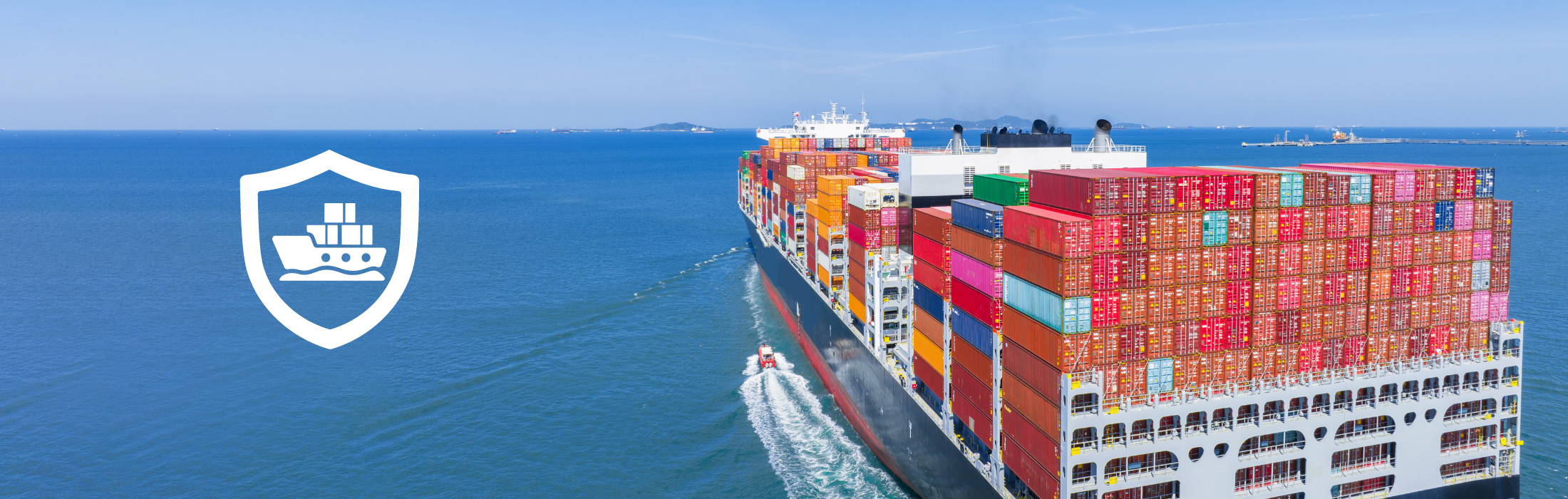
הובלה ימית הינה שיטה מסורתית לשילוח שנעשה בה שימוש רב לאורך ההיסטוריה. ספינות ההובלה יכולות לשאת מטענים בסדרי גודל עצומים ובצורה בטוחה.

לצד זאת, מדובר בשיטה האורכת זמן, כאשר לעתים השילוח יכול לארוך כחודש ימים. שילוח דרך הים מבוסס על גודלן של המכולות ומגבלות המשקל משמעותיות פחות בהשוואה לשילוח אווירי. הובלה באוקיינוס מאפשרת שליחת מטענים גדולים וכבדים והיא נחשבת לזולה ביחס להובלה אווירית.

חברות לעמילות מכס הן חברות אשר עוסקות בשילוח בינלאומי.


עמילות מכס היא כל מה שקשור לתחום של שילוח בין לאומי ממחסני ערובה ועד שחרור הסחורה ששלחנו מהמכס. חברות אלו מסייעות לאנשים פרטיים וחברות שרוצים לשלוח חפצים, מוצרים שונים או רכוש למדינות בחוץ לארץ או להבדיל לייבא סחורה מחוץ לארץ.

חברות אלו אחראיות מא' ועד ת' לכל מה שקשור למשלוח והן מטפלות בו מהתחלתו ועד סופו לשביעות הרצון המלאה של הלקוח עד שהוא מקבל את מה שנשלח אליו לעסק או לבית. קיים הבדל בין משלוח של סחורה לעסק ובין משלוח של תכולת בית לאדם פרטי.

הבדל זה מהותי וחשוב מאוד וכדאי לקחת אותו בחשבון כאשר אנחנו רוצים לשלוח מכולה לחוץ לארץ בשילוח בינלאומי.

עמילות מכס – איזה שירות חברות לעמילות מכס מציעות?

חברות עמילות מכס מציעות מגוון רחב מאוד של שירותים וכולם קשורים לשילוח בינלאומי. תחום השילוח הבינלאומי הוא תחום לא פשוט ויש בו הרבה מאוד שלבים מהרגע שבו שולחים מכולה ועד הרגע שמקבלים אותה.

יבוא מכולות הינו אחד הכלים החשובים והמרכזיים בתחום שילוח בינלאומי. מדובר באמצעי אפקטיבי בעולם היבוא והייצוא המתבצע בהתאם ובכפוף לחוקי המדינות השונות.

יבוא מכולות הינו ענף רחב המאפשר להוביל סחורות מכל רחבי העולם ולכל יעד. השימוש הנרחב במכולות מבוסס על הצורך להוביל מטענים גדולים וכבדים וכמויות גדולות של סחורה ממקום למקום בצורה בטוחה.

התחום מחייב ידע ובקיאות ברזי החוקים השונים הנוגעים לדרך ביצוע הסחר ולתקנות המיסוי והמכס המשתנים בין מדינות שונות. יבוא מכולות חייב להתבצע בליווי וייעוץ מקצועי של מומחים המכירים את הסכמי הסחר השונים ואת חוקי הייבוא והייצוא.

הדרישות והיתרונות ביבוא מכולות

תחום יבוא מכולות הולך ומתפתח וזאת נוכח היקפי פעילות המסחר ההולכים וגדלים עם סין, ארה"ב ומדינות האיחוד האירופאי.

השימוש במכולות חוסך בעלויות ומאפשר לשנע מטענים גדולים וכבדים לכל קצווי העולם ולייבא סחורה בכמויות גדולות מכל מקום. יבוא מכולות מהווה את הדבר בחם בעולם הסחר הבינלאומי.

בבואכם לבחור ולבחון אפשרות ליבוא מכולות, הרי שרצוי להסתייע בגורמי מקצוע בעל ניסיון וידע בתחום. המומחים יבצעו עבורכם בדיקות שונות על מנת להתאים את אופן השילוח לצרכיכם ומאפייניכם האישיים. הבדיקה המקדימה תאפשר לכם לבחור נכונה את סוג וגודל המכולה בהתאם לסוג הסחורה אותה אתם מייבאים.

הבדיקות כוללות את סוג וגובה המיסוי, האם ישנן דרישות יבוא בלתי מכסיות דוגמת רישוי, חובת סימון ומכון התקנים? מהו המחיר לאחר ההוצאות הנלוות והמיסים? מהיכן כדאי לייבא? והאם ישנם הגבלים או איסורי קנייה מהמדינה המסוימת?

תחום היבוא מהווה מרכיב חשוב ומרכזי בעולם הסחר והעסקים הבינלאומי. ענף היבוא מושך אליו יזמים ומשקיעים רבים המזהים את הפוטנציאל הרב הטמון בתחום זה.


רבים מאתנו מכירים מישהו שמייבא לארץ מוצרים בין אם ביבוא אישי או מסחרי ומדובר באפיק שיכול להוביל לצמיחה והצלחה עסקית ופיננסית. במידה ואתם בוחנים את האפשרות לייבא, חשוב לבצע בדיקות כדאיות ולהכיר את ההיבטים הרלוונטיים שיקבעו האם מדובר בהחלטה והשקעה נבונה.

כל מה שחשוב לדעת טרם ההחלטה על ייבוא אישי או מסחרי

טרם אתם מקבלים החלטה לייבא לארץ מוצרים או סחורה כלשהי, יש לשאול אתם עצמכם מספר שאלות:

- האם השוק זקוק למוצר?
- האם יש ביכולתי להתחרות במשווקים קיימים?
- האם נתח הרווחים הצפוי הינו משתלם?
- האם יש לי יתרון על פני המתחרים וערך מוסף?

שאלות אלה יסייעו בידכם לקבל החלטה מושכלת ונכונה. על מנת לחסוך מכם את ההתמודדות עם שאלות אלה, אפשר לומר מראש כי התשובה לשאלות אלה תהיה, ברוב המקרים חיובית, שכן מי שבוחן אפשרות לייבוא מאמין בעצמו ובהצלחתו.

ובכל זאת יש לבדוק היטב ובצורה מעמיקה פרמטרים שונים בהם: עלות המוצר, עלויות הובלה, דרישות תקינה ומכס, עלויות אחסנה, אחריות, שיווק והפצה וכו'. קבלת ייעוץ וליווי מידי אנשי מקצוע מומחים ומנוסים תספק לכם תשובות מדויקות לשאלות הללו ומושג לגבי כדאיות המהלך.

עלות הובלה  – עלות הובלה מהווה העמסה על המחיר הקבוע. עלות ההובלה משתנה בהתאם למדינה ממנה אתם מייבאים, נפח המוצרים, מרחק השינוע ורמת המחירים המשתנה בין המדינות השונות.

עלויות מכס ותקינה – כל מוצר שאתם מייבאים מסווג באמצעות שמונה ספרות, כאשר ארבע הספרות הראשונות זהות לכל המוצרים בכל העולם ומגדירות האם המוצרים חייבים במכס, בתקן או במכסה. בדיקה זו חשוב שתתבצע בידי עמיל מכס מורשה ומוסמך שיספק לכם תחשיב מדויק לגבי עלויות המכס והתקינה.

כמות – העלות הסופית של המוצר נקבעת על פי כמות המוצרים הראשונית ופיזור העלויות הקבועות. ככל שתזמינו כמות גדולה יותר, כך עלותו הסופית של המוצר תקטן.

לוגיסטיקה – עלויות הלוגיסטיקה והאחסנה משפיעות על תמחור המוצר. יש הביא בחשבון ולשקלל עלות מחסן, ארנונה, שכירות, ביטוח, מערכות כיבוי אש, טלפון, חשמל, מחשוב, מחסנאי ועלויות שינוע והפצה וזאת על מנת לקבל אומדן נכון של הוצאות מול הכנסות.

אחריות – יש לבחון את הסכם האחריות מול היצרן וזאת על מנת לדעת מי נושא בעלויות פיצוי ללקוח במקרה של מוצר פגום.


https://www.unitedxp.co.il/imports-and-marketing/

77 תובנות על כניסה מוצלחת לשוק יעד בחו״ל - חלק 1

77 תובנות על כניסה מוצלחת לשוק יעד בחו״ל - חלק 1

77 תובנות על כניסה מוצלחת לשוק יעד בחו״ל – מבוסס על פעילות של 1,000 יצואנים ישראלים.

מיכאל גלי, ראש תחום בדיקות מקצועיות בתכניות הסיוע של סחר חוץ במשרד הכלכלה והתעשייה בשנים האחרונות בכתבה מקיפה עם תובנות ועצות היכולות לסייע לחברות יצואניות בנושאים הבאים: בחירת שוק היעד, מחקר ומודיעין, הכנת התשתית לחדירה, השגת הלקוחות הראשונים, ניהול מוצר, יצירת לידים, בניית מערך שותפים ומפיצים והשפעות הקורונה על ההחלטות שלנו.

אז מה "עובד" ומה "לא עובד" בכניסה לשוקי ייצוא והתנעת צמיחה בהם?תובנות כלליות:

שיווק הוא מקצוע, שיווק בינלאומי הוא מקצוע – בלא מעט חברות משמשים בתפקידי שיווק בינלאומי נושאי תפקיד שאינם בעלי כישורים מתאימים להוביל את קידום העסקים הבינלאומיים של החברה. חלקם לא מבינים ששיווק הוא מקצוע עם תשתית קונספטואלית ופרקטיקות מובהקות ושיש בשיווק "נכון ולא נכון". 

שיווק, מכירות ופיתוח עסקי הם מקצועות שונים – בכל חברה ישנם תפקידי שיווק ותפקידי מכירות. אלו מקצועות שונים ומשלימים. כל אחד מהמקצועות מתאים לאנשים בעלי כישורים ומבנה אישיות שונה. לעתים אין ברירה, בעיקר בחברות קטנות, ונושא תפקיד אחד מבצע גם תפקידי שיווק וגם מכירות, אך עדיין אלו משימות שונות. בלא מעט חברות הגדרות התפקיד והמשימות לא ברורות. לעתים יש הגיון להקים גם פונקצית פיתוח עסקי. בכל מקרה צריך לדעת שפיתוח עסקי אינה פעילות זהה למכירות.

שיווק דיגיטלי הוא מקצוע ובתוכו יש מגוון מיומנויות – אי אפשר להיות משווק בינלאומי כיום ללא פעילות דיגיטלית מקצועית. גם אם אתם פועלים בתעשייה מסורתית ובשוק שמרני, הלקוחות שלכם אוספים מידע באינטרנט. הם תמיד יחפשו עליכם מידע באינטרנט ועל פיו יגבשו דעה. זה יקרה גם כאשר הם מחפשים פתרון לבעיה המעסיקה אותם וגם לאחר שפניתם אליהם אתם באופן יזום. אתר מעודכן טכנולוגית ותוכן שיווקי ברמה גבוהה הם תנאים הכרחיים להצלחה לכל חברה. מגוון ההתמחויות בתוך שיווק דיגיטלי הוא גדול. רכשו יכולות באותן מיומנויות דיגיטליות שהן קריטיות עבורכם דרך גיוס עובדים מתאימים או שימוש במומחים חיצוניים.

שיווק הוא מקצוע שדורש לעיתים לקבל החלטות שנוגדות את האינטואיציה – אינטואיציה היא יכולת מופשטת שמנהלים נוטים להסתמך עליה יותר מדי. כאשר אין לכם ידע וניסיון בקונטקסט הנדרש (שוק, תרבות, תחום עיסוק, מוצר) רוב הסיכויים שהאינטואיציה שלכם תוביל אתכם להחלטות מוטעות. אציג כמה תובנות אינטואיטיביות שכיחות ומוטעות שנראות הגיוניות:

אם המוצר עונה על הצרכים של הלקוח הישראלי קרוב לוודאי שיענה על צרכי הלקוחות בשוק היעד.

שוק גדול עדיף על שוק קטן כי יש בו יותר הזדמנויות.

אם הצלחנו בגרמניה, אין שום סיבה שלא נצליח בצרפת או אנגליה.

אם לקח לנו חצי שנה לסגור עסקה בארה"ב, גם בגרמניה, סין, הודו…ייקח פרק זמן דומה.

הדרך היחידה להימנע מטעויות היא לקבל החלטות רק על בסיס מידע רלבנטי לשוק הספציפי. לפני כל החלטה משמעותית אספו מידע בשוק היעד.

חדירה מוצלחת לשוק חדש כרוכה בפיצוח נוסחה מרובת משתנים – כניסה לשוק חדש היא משימה לא פשוטה. פער הידע והניסיון בין היצואן היושב בישראל ובין המתחרים הפעילים בשוק היעד הוא גדול. כדי להצליח בחדירה נדרש איסוף מידע שיטתי בסדרה ארוכה של משתנים (העיקריים: צרכי הלקוחות, הצעות המתחרים ואופן פעילותם וערוצי ההפצה). רק כך יכול היצואן לקבל החלטות נכונות, למצוא את המקום המתאים עבורו בשוק היעד ואת מתכונת הפעילות המדויקת. אין קיצורי דרך ואין פתרונות קסם, זהו מאמץ מתמשך.

חדירה לשוק זר אינה שחזור הפעילות בשוק המקומי עם התאמות קלות – בעת חדירה לשוק חדש הנטייה הטבעית של חברות היא להסתמך על הניסיון שצברו בשוק המקומי ובשווקים אחרים בו הן פועלות. מכיוון שקיימים הבדלים בין שווקים, הניסיון משווקים אחרים עלול להטעות ולהוביל לקבלת החלטות לא טובות. בתחילת הדרך מסקנות משוק אחר יכולות להיות לכל היותר היפוטזה שדורשת תיקוף.

אי אפשר להיות "חצי בהריון" – חברות שפונות לאפיק הבינלאומי חייבות להיות מחויבות 100% למהלך. לא תגיעו להישגים, אם לא תקצו משאבי כוח אדם וכסף. 

פורסם בבלוג מיכאל גלי

https://www.unitedxp.co.il/global-marketing-2/

https://www.unitedxp.co.il/global-marketing-3/


https://www.unitedxp.co.il/global-marketing/